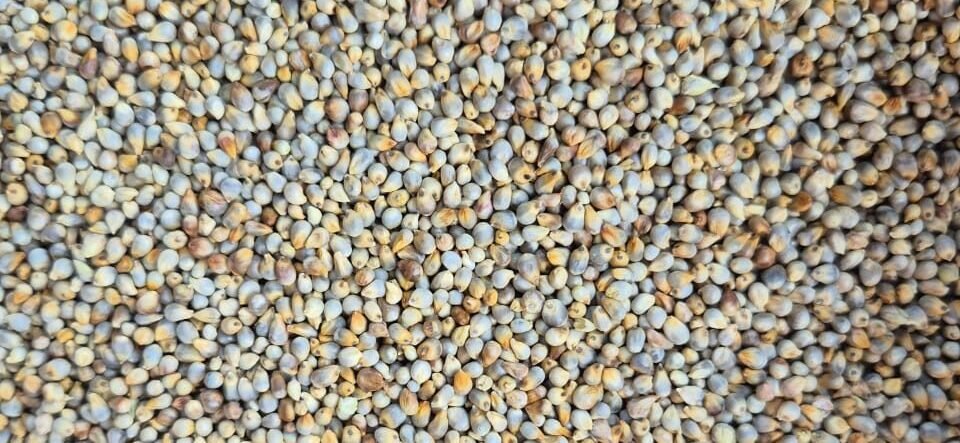
If there’s any crop built to handle the wild ride of modern farming, it’s bajra—pearl millet. For a long time, people saw it as a humble “coarse cereal,” something you’d find bubbling on a stove in a small village in Rajasthan or Gujarat.
That story’s changed. Big time. Suddenly, bajra isn’t just for the rural table; it’s on center stage as a “nutri-cereal,” riding the wave of health trends, climate anxiety, and a surge of global support. As supply chains look for grains that can survive brutal heat and lousy soil, India is right at the heart of things—churning out record volumes and sending bajra around the world.
So, what’s so special about bajra?
Pearl millet, or Pennisetum glaucum if you want the scientific name, packs a punch nutrition-wise. Stack it up against polished rice or bleached wheat, and bajra comes out swinging:
– Iron and Zinc Galore: This grain is a real weapon against anemia, loaded with far more iron than rice.
– Gluten-Free, Low Glycemic Index: Its slow-release carbs make it a smart choice for people managing diabetes or avoiding gluten.
– High Soluble Fiber: Great for your gut, with lasting energy to boot.
From a farmer’s point of view, bajra almost feels too good to be true. It uses less than a third of the water rice gulps down, shrugs off 42°C heat, and goes from seed to harvest in under three months. That kind of resilience means farmers can roll with unpredictable weather without breaking a sweat.
India’s Bajra Belt—The Stronghold
India owns the global millet scene, turning out about 38 to 40 percent of the world’s supply. The numbers tell the story: latest government data shows a harvest topping 18 million metric tonnes, with bajra leading the pack.
Three real powerhouses anchor this production:
Rajasthan: The undisputed bajra king, pumping out 60 percent or more of India’s total.
Maharashtra: Home of big yields, commercial feed, and flour.
Gujarat: Where they turn raw grain into high-value products for export.
India’s Export Surge
Now, Indian millet exports are closing in on 90,000 metric tonnes worth over $37 million a year—driven mostly by bajra.
Government agencies like APEDA have built targeted trade routes that push beyond old-school markets. Now, India’s selling bajra everywhere: to Saudi Arabia and the UAE for premium livestock and human food (thanks to rising health trends in the Gulf), to the EU’s gluten-free bakeries, and to East Africa and Nepal, where bajra helps fill gaps when wheat stocks run low.
Raising the Game—From Grain to Grocery Aisle
What’s got global buyers lining up isn’t just India’s mountain of bulk grain. It’s the switch to processed, high-margin bajra products—thanks to policies like the PLI Scheme. Indian agtech startups and food giants are shipping ready-to-eat flakes, organic de-hulled kernels, and premium cold-milled bajra flour that’s perfect for international gluten-free baking.
Putting Bajra on the Map
India’s push didn’t happen by accident. The country led the way with a UN proposal that got the world to celebrate the International Year of Millets. That put new eyes on alternative grains.
And with dedicated forums linking Indian farmer groups to international buyers, bajra is finally breaking out, no longer just a drought-survivor’s crop. Now, it’s become a global symbol for sustainable food and climate-smart agriculture—proof that sometimes, a humble grain can be bigger than it looks.