When most people talk about the global guar bean trade, they’re usually thinking about guar gum—the miracle thickener that shows up in everything from oil drilling sites in Texas to gelato shops in Rome. But lately, the real action isn’t just around the gum. A big shift is happening in agriculture. The folks running livestock farms, feed mills, and even big aquaculture outfits are paying close attention to something most considered waste not long ago: guar meal.
Turns out, guar meal isn’t just a leftover. It’s become a hot commodity, and—just like with guar gum—India sits at the center of the action.
So, What Exactly Is Guar Meal, and What’s Got Everyone Buzzing?
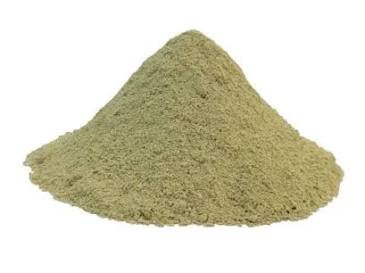
Here’s the quick version: after you split open a guar seed and get out all the gum, what’s left is guar meal. It comes in two main types:
– Guar Churi: More of a powdery husk, packed with about 35% to 40% protein.
– Guar Korma: A chunkier, granular part, and this one hits 50% to 58% protein.
To make it safe for animals, processors toast it at high heat, wiping out any anti-nutrients that would get in the way of digestion. Now it’s good to go—nutritious and easy for animals to absorb.
Why Everyone in the Global Feed Game Wants Guar Meal
The world’s livestock industry chews through over 1.2 billion metric tons of feed each year, and about a third of their costs are just protein. Guar meal is making waves here for a few big reasons:
1. A Financial Lifesaver Compared to Soy
Global politics, crazy weather, and supply chain headaches keep turning soybean meal prices into a roller coaster. Guar meal, on the other hand, usually comes in at 25% to 40% cheaper per unit of protein. For feed makers trying to protect their thin profit margins, that’s a game-changer.
2. Boosts for Dairy Cows and Chickens
Researchers and farmers have shown that swapping some traditional cattle feed for guar meal improves digestion, keeps animals healthier, and even bumps up milk production—higher yields, better fat content. In poultry, many big producers in Asia are working guar meal into up to 10% of their feed, saving money while keeping birds growing fast and healthy.
3. Taking Over Aquaculture
Aquaculture keeps growing fast—set to hit 115 million metric tons by 2030. With wild-caught fishmeal stuck because of environmental rules, farms need solid plant-based substitutes. Toasted guar korma is already replacing up to 20% of fishmeal for species like tilapia and catfish. It’s even taking off in shrimp feed, especially in places like Vietnam and Ecuador.
India’s Grip on the Market
Here’s the thing: India grows 80% to 85% of the world’s guar, mostly in Rajasthan, Haryana, and Gujarat. That means the byproducts—guar churi and korma—also flow out of India. The supply chain looks something like this:
Indian guar farms send their crop to be milled and toasted, then split into guar churi and guar korma, which get shipped out for livestock feed around the world.
Some numbers paint the picture:
– India exports around 1.4 to 1.5 million metric tons of guar meal each year.
– Prices usually stay between $350 and $550 per metric ton, depending on global grain trends.
– Top markets? The UAE, Saudi Arabia, China, and the EU.
Why India’s Position Keeps Getting Stronger
Two big trends are making India’s guar meal exports even more important:
– Food security in the Middle East: Governments (especially in the UAE and Saudi Arabia) are signing long-term deals for Indian guar meal to lock in reliable, local livestock feed—even if there’s chaos on the world’s grain markets.
– Strict sustainability rules in Europe: Big European feed makers (especially in Germany, Spain, and the Netherlands) want plant-based, non-GMO, and lower-impact protein. Guar meal fits perfectly, especially compared to soy from South America.
The Unsung Workhorse of Agribusiness
Guar gum grabs the headlines, but it’s really guar meal that keeps factories running and livestock industries afloat. By developing better ways to process guar churi and korma—high in protein, easy to digest—India has turned a once-overlooked local feed into a pillar of global food security and affordable animal nutrition.