Guar gum doesn’t usually make headlines, but it’s the secret force behind a surprising number of things we use every day. Think about India’s famous agricultural exports for a second—your mind probably jumps to basmati rice, spices, or maybe a good cup of tea. But tucked away in the dry stretches of northwestern India grows a tough, unassuming legume that does way more behind the scenes: the guar bean. This crop quietly fuels major industries worldwide, from the scoop of ice cream in your dessert bowl to the machinery that keeps energy grids humming.
Let’s talk guar gum. It’s a true powerhouse among natural hydrocolloids—the stuff that forms a gel when you mix it with water. While some countries dabble in the trade, India absolutely owns it.
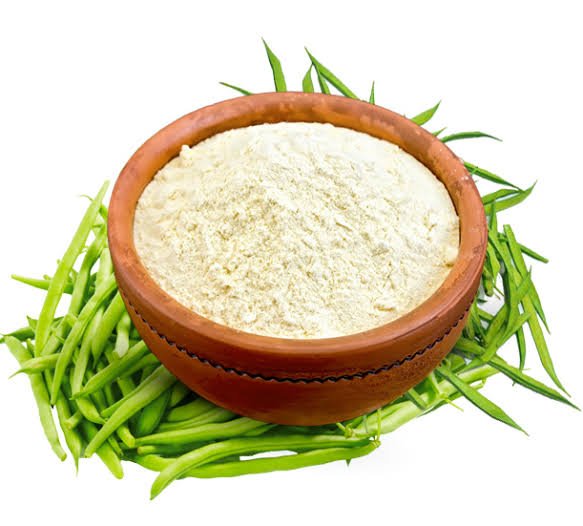
So, what exactly is guar gum? It comes from the endosperm of the guar seed, also called the cluster bean (Cyamopsis tetragonoloba). Once ground into powder, this natural polymer is a superstar when it comes to holding water. It thickens, stabilizes, and keeps things blended better than almost anything else on the market—eight times better than cornstarch, in fact. That quality alone has made it a darling for industries around the world.
Guar gum’s list of jobs is pretty wild. The global market’s worth nearly $1.5 billion, and its uses couldn’t be more varied:
First up is the energy sector. Here’s where guar gum really does the heavy lifting. About 90% of all industrial-grade guar gum ends up in oil and gas extraction. It thickens the fluids used in fracking, helping carry tiny particles deep underground to break open rock and release energy.
But it isn’t just about oil. If you’ve ever enjoyed a creamy scoop of ice cream, yogurt, salad dressing, or a slice of gluten-free bread, you’ve eaten guar gum. It keeps your frozen treats smooth and prevents sauces from splitting apart. In pharmaceuticals and cosmetics, it’s what gives a pill its shape and makes creams silky. Guar gum does it all.
Now, when folks say India is big in guar gum, they’re not even close to capturing the scale. India supplies a whopping 80–85% of the world’s guar. Most of this comes from Rajasthan, but Haryana and Gujarat play strong supporting roles. What’s really impressive is how Indian farmers have turned what used to be a neglected, rain-fed crop into a massive export success—millions of dollars with every harvest.
Let’s look at the numbers for a moment. India’s guar gum export volumes keep climbing:
2023–2024: 417,691 metric tonnes
2024–2025: 453,651 metric tonnes
2025–2026: 475,562 metric tonnes
America tops the list of buyers, largely because of its booming shale gas industry. Germany, Russia, Norway, and China are regulars at the table too.
But why does India so completely dominate this market? It’s all about the land. Guar loves poor, sandy soils and survives where other crops would fail, thanks to the unpredictable monsoon rains that sweep Rajasthan. The plant’s a legume, so it actually enriches the soil by fixing nitrogen, which means farmers can grow wheat or mustard in the next season without piling on the fertilizers. On top of that, Indian processors have spent decades perfecting the art of grinding and refining guar to meet whatever specifications global buyers demand.
Looking forward, the outlook for Indian guar gum is bright. More companies are ditching synthetic ingredients for plant-based alternatives, and guar gum is getting attention for things like biodegradable plastics and high-fiber supplements. Research is ongoing, but the possibilities keep expanding.
So, from a modest bean mostly fed to cattle in rural India, guar has grown into a critical ingredient for modern industry. It’s an unlikely hero—quiet, powerful, and just about everywhere you look. That’s one export story worth remembering.